

The astronomical camera that sees better than a human
IMAGING with Aymeric #6

Do you remember the camera that was heavier than a car? Today, I'll tell you all about its ability to see life through rose-colored glasses see the universe in color!
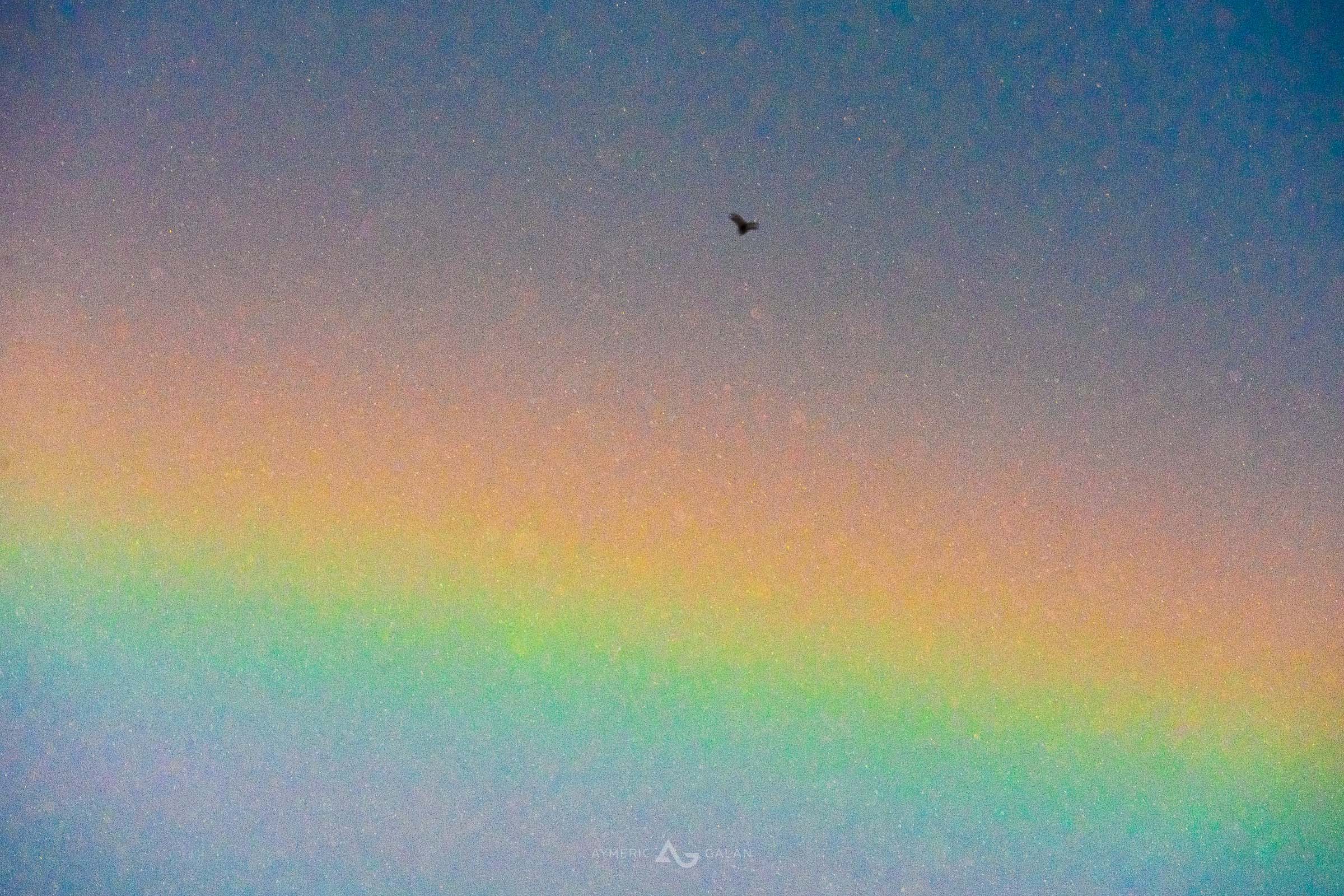
It takes a bit more than an eye
Seeing the world in color is not a trivial process, far from it. Whether for us humans or for astronomical cameras, multicolor vision is the result of two steps: (1) capturing light and (2) knowing its wavelength.
A quick lexical aside before continuing: light is generally described by the particles that compose it (photons) as well as by its wavelength (the energy of these photons). Light intensity is the result of the quantity of photons received, while color perception is defined by differences in wavelength.
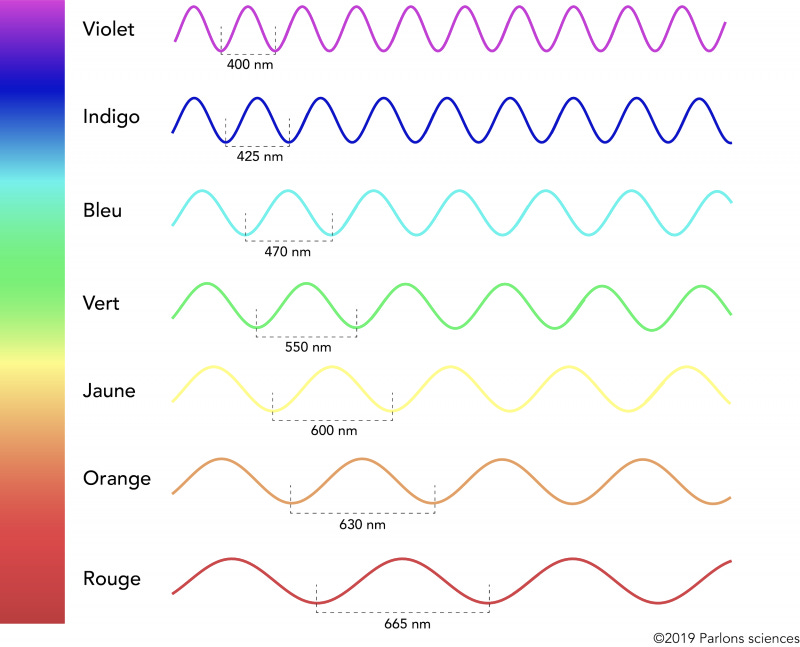
The retina of the human eye, for example, is composed of several types of photo-receptors called “cones” and “rods.” Thanks to a clever mix of complex molecules, some capture photons and others filter wavelengths. Different combinations have given us three types of cones, which allow us to separate wavelengths that correspond approximately to the colors blue, green, and red.
As for rods, which specialize in night vision, they are sensitive to wavelengths somewhere between blue and yellow. But since we only have one type of rod, our brain can only interpret them as shades of gray (which is a shame, because seeing colors in the dark would be nice too!). It is therefore clear that it is differences in wavelength that allow us to see colors.
From cones to filters…
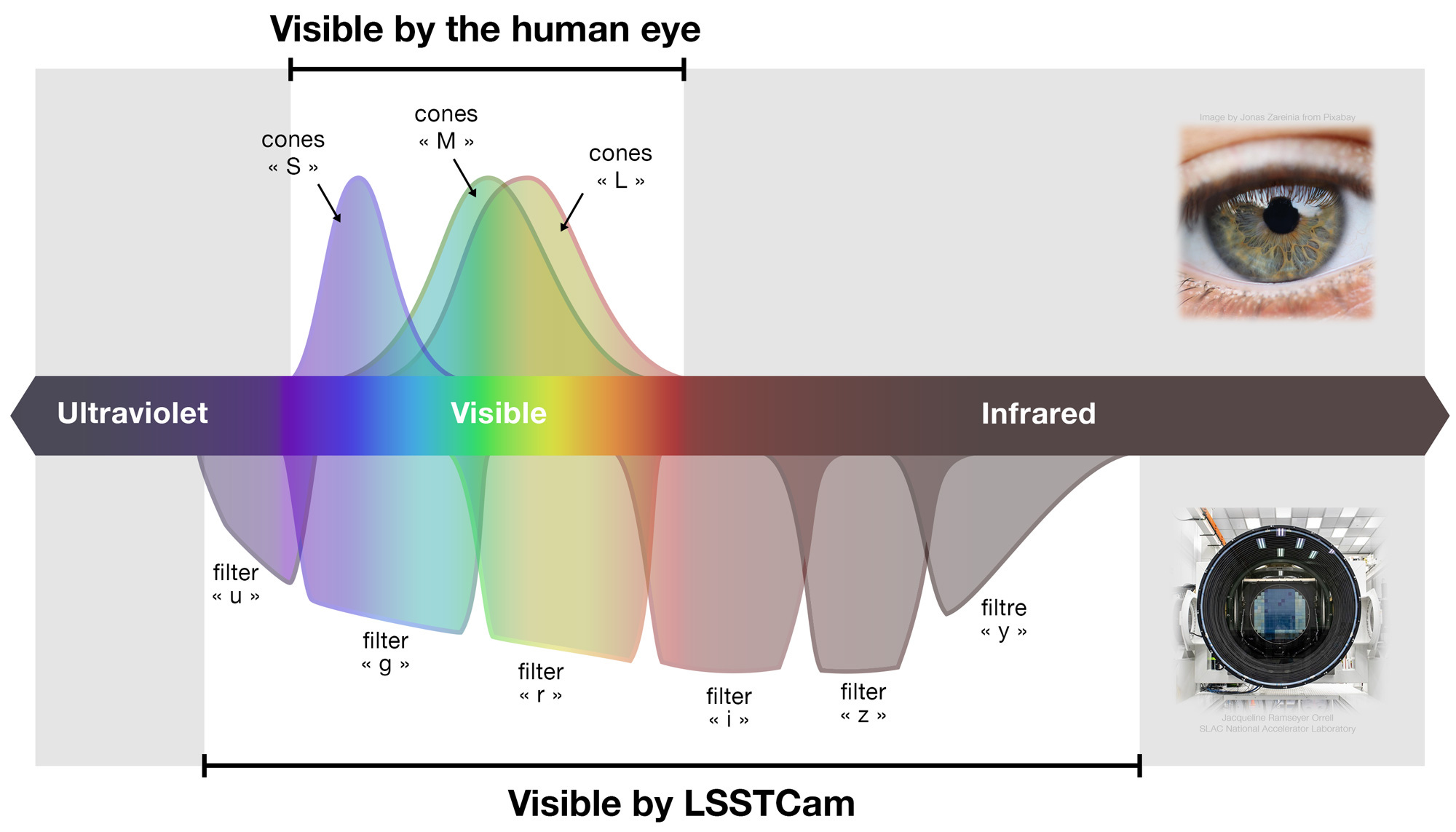
Let's return towards today’s topic: how does an astronomical camera, and in particular the famous “LSSTCam,” see colors? A system of filters placed in front of the sensor actually plays a role similar to that of the cones in the human retina. These filters make it possible to precisely define the wavelengths of light that will reach the sensor.
But while our retina has three types of cones that coexist permanently, LSSTCam has six filters that are interchangeable at any time. In addition, our cones are sensitive to what is logically called “visible” light, ranging from violet to red. The LSSTCam filters, on the other hand, allow sensitivity ranging from part of the ultraviolet to part of the infrared spectrum. To better illustrate the similarities and differences, I have created for you the diagram below.
… then from filters to a color image
This comparison with the human eye shows us that the astronomical camera can “see” wavelengths that humans cannot naturally perceive. In addition, the fact that there are six different filters gives astrophysicists many possible combinations for accurately quantifying the colors of the planets, stars, and galaxies they observe. Indeed, some of these celestial bodies will be much brighter in infrared, while others will emit more ultraviolet photons. Depending on the colors emitted, properties such as temperature and chemical composition can be deduced.
Beyond the scientific use of images such as those obtained by LSSTCam, what I find most breathtaking is the possibility of obtaining magnificent color images that are a delight to the human eye. The secret to this is to select a few of the camera's filters, associate them with the three colors that our retinas can perceive, and then combine them into a single image. Let me give you a concrete example, using the diagram I drew above: we can choose the “g” filter and associate it with the color blue, the ‘r’ filter with the color green, and the “i” filter with the color red. The result is what I show you in this animation:
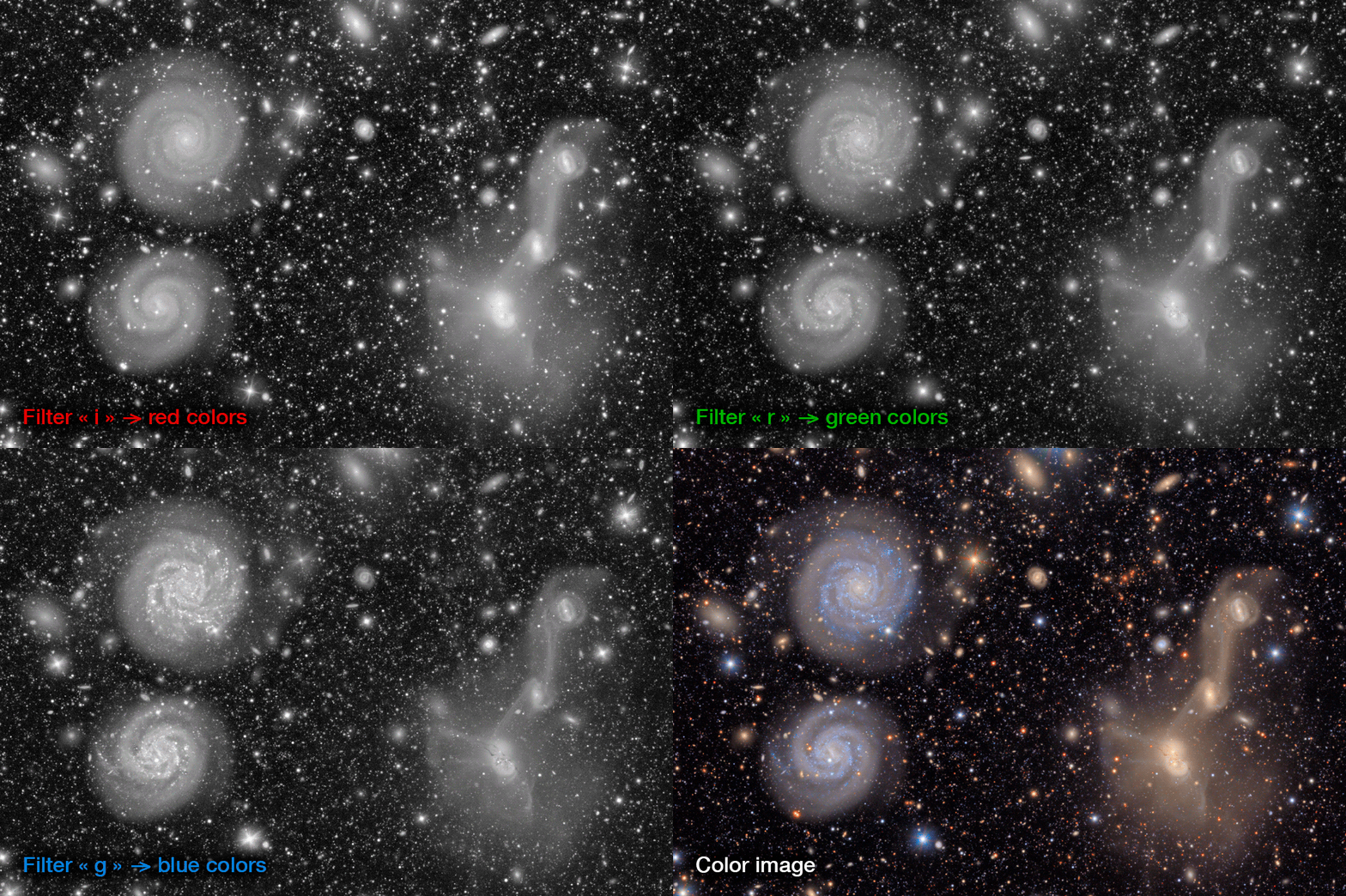
Take a moment to observe all the changes that occur when switching between filters. Some objects change size, others gain small details, while some simply appear or disappear. The universe is so much more beautiful when viewed in color, isn't it?
Interesting
During my preliminary research for this article, I learned that octopuses do not perceive the colors of light, but rather its polarization. This ties in nicely with my article on polarized light and its application in photography.
If you enjoyed this article, I would be extremely grateful if you could share it with others. Word of mouth is also a great way to spread knowledge 🙂 Thank you very much!
Can’t wait to talk to you in the next one, take care!
Aymeric.